
Felton Jarvis, der von 1966 bis 1977 Elvis‘ Musikproduzent war, wurde 1934 als Charles Felton Jarvis in Atlanta, Georgia, geboren.
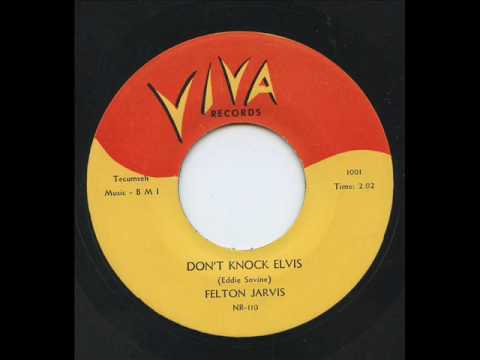
Das erste Mal sah Felton Elvis, als er 1955 bei den US Marines in Norfolk, VA, diente. Elvis trat im Rahmen von Hank Snows „All Star Jamboree“ auf der Bühne auf. Felton war fasziniert und inspiriert von dem jungen und noch relativ unbekannten Elvis. Felton lernte Gitarre spielen und sehnte sich danach, wie Elvis zu sein. Felton sagte: „Ich konnte mein Bein schütteln, aber ich konnte nicht singen.“ 1959 nahm er jedoch ein Elvis-Tributlied mit dem Titel „Don’t Knock Elvis“ auf.
Nach dem Dienst arbeitete Felton als Ersteller von Notenblättern für die National Recording Corp. in Atlanta. Er hing im Aufnahmestudio herum und lernte das Musikgeschäft kennen. Eines Tages kündigte ein Ingenieur und Felton wurde eingestellt, um ihn zu ersetzen. Sein Wunsch war es jedoch, Promoter und Produzent zu werden.
1962 entdeckte er einen Elvis-ähnlichen Künstler, Marvin Benefield. Felton bereitete ihn auf den Ruhm vor und änderte seinen Namen in Vince Everett zu Ehren von Elvis‘ Rolle im Film „Jailhouse Rock“. Everett hatte einigen Erfolg mit einem Remake des Songs „Such A Night“. Felton war auch als Produzent von Tommy Roes Millionenseller „Sheila“ erfolgreich. 1963 zog er nach Nashville, während er für ABC/Paramount Records arbeitete. 1965 arbeitete er bei RCA in Nashville.
Felton war für seine optimistische Persönlichkeit bekannt und Chet Atkins, der Elvis‘ Platten produziert hatte, dachte, Felton wäre besser für die nächtlichen Aufnahmesitzungen geeignet, die Elvis bevorzugte. So traf Felton 1966 endlich seine Inspiration persönlich. Sie verstanden sich gut und arbeiteten gut zusammen. Felton verstand Elvis und wusste, was er von einem Mix wollte. Er wusste, dass Elvis die Instrumente lauter haben wollte und dass seine Platten einen „größeren Sound“ haben sollten.
Felton war als Witzbold und etwas exzentrisch bekannt. Er hatte eine Leidenschaft für exotische Tiere und besaß einst einen Tiger und einen Ozelot. Er ließ in seinem Büro eine Grashütte bauen, um seine Anakonda unterzubringen.
Im Juli 1969 heiratete er Chet Atkins‘ Sekretärin Mary Lynch. Nach nur dreitägigen Flitterwochen arbeitete er mit Elvis in Las Vegas.
Im Juni 1970 verließ er RCA und wurde unabhängiger Auftragnehmer, der ausschließlich mit Elvis an dessen Studioaufnahmen sowie Live-Konzertaufnahmen arbeitete. Er stellte Musiker ein, probte mit der Band und traf alle Vorbereitungen für die Aufnahme.
Im Juli 1971 wurde er sehr krank und litt unter Nierenversagen. Er beaufsichtigte Elvis‘ Live-Aufnahmen vom Februar 1972 in Las Vegas, obwohl er mehrmals pro Woche eine Dialyse brauchte. Elvis arrangierte und bezahlte im Oktober 1972 eine Nierentransplantation für Felton.
Felton Jarvis starb im Januar 1981 im Alter von 46 Jahren, nachdem er im Dezember einen Schlaganfall erlitten hatte. Im Laufe der Jahre hatte er mit anderen bekannten Künstlern wie Willie Nelson, Jim Ed Brown, Floyd Cramer, Loyd Price, Fats Domino, Gladys Knight and the Pips, Carl Perkins und Ronnie McDowell zusammengearbeitet.
In einem Interview sagte er einmal: „… mit Elvis in Verbindung gebracht zu werden, ist das Größte in meinem Leben. Ich sagte ihm einmal, dass mir die Uhr gefiel, die er trug. Er nahm sie ab und gab sie mir. Er ist ein großartiger Mensch … Ich glaube nicht, dass irgendjemand Elvis als Künstler jemals das Wasser reichen kann.“
English original version
Spoiler: Zeigen